How to Build Your Career as an Audio Engineer | Skills, Networking & Getting Jobs
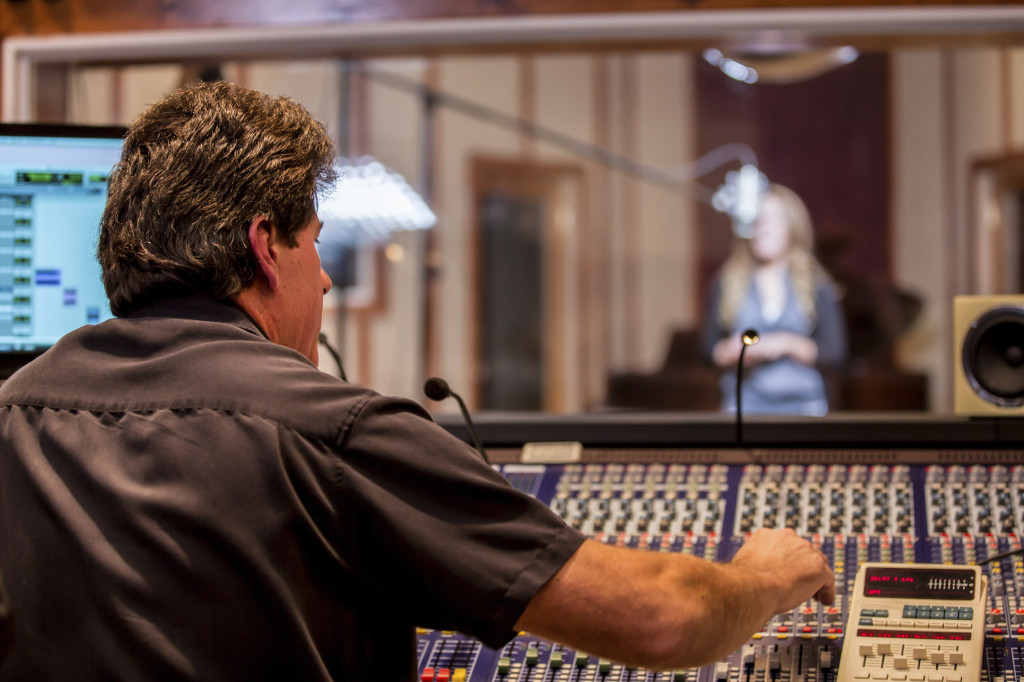
Having worked in the audio industry for 20+ years, one thing I can say is that it takes dedication, education, patience, and enjoyment for the work. This article will dive into my experience as well as helpful directions to get yourself into the audio production world.
What is an audio engineer and the requirements?
An audio engineer is someone who records and edits sound for films, television, video games, live concerts, and music productions. They are responsible for recording and editing sounds to make sure that they are audible through speakers, headphones, and different media.
Sound engineering is increasingly seen as a creative profession; however when the term first started, it was very technical, hence “engineer”. Audio engineers had to know about analog audio equipment, how to service it, the electrical components, and how to use them.
Today, a lot of the practices are still in use, but a lot of the equipment and gear have gone digital. You have to be more versed in software and computers as a tech for today’s audio industry.
Besides the basic qualifications of education for a sound engineer, you may need to have hands-on experience in the field before you apply for a position or start your business.
To be an audio engineer, one must possess the following skills
- Knowledge of audio frequencies, tone, and timbre.
- Technical knowledge of how to handle microphones and other equipment.
- Audio signal processing.
- Some musical knowledge is a plus.
- Ability to work with digital technology such as software, DAW (digital audio workstation), computers, and internet networking.
- Creative imagination and collaborative mind.
- Communication skills.
- Problem-solving and teamwork.
Building a Career as an Audio Engineer: What You Need to Know
“Audio engineering is a career that requires passion, patience, and dedication.“
Building a career is something that won’t happen overnight. If one is attempting to get employment fast that pays a high salary from the start, this is not the job for you.
Entry-level audio engineers can earn as low as $20,000 per year, with the median salary being $40,000. Except to work your way up for some years until you make a decent salary in the industry.
When I started as an audio engineer, the rule was it takes 10,000 work hours (5 years) to become versed in the job and 40,000 work hours (20 years) to become a senior/chief audio engineer.
If you are interested in pursuing a career in audio production, it should be something that you love to do day in and day out. You want to build upon your profession over time.
I use the term “If your job is what you love to do, you won’t work a day in your life.” You will be investing in yourself and your career through education, schooling, and equipment to do the job.
Getting Educated is the First Step in Your Journey
The first step is to find a good education platform within your budget that offers basic courses in sound recording and audio engineering. This can be by online audio engineering lessons, workshops, courses, and institutions.
The first class I took when considering audio engineering was a week-long course at a recording studio. It was an introduction to the basics of recording. This created the spark and passion to continue the path. When beginning, I would encourage you to start with introductory classes to get an understanding and the basics.
As you learn the basics, you may want to go to the next step with postsecondary education up to an associate degree. This education level is available from most technical schools or community colleges.
Learning the Basic Skills Online and at Your Pace
With the internet, podcasts, and tutorial videos, a new world has opened up with vast knowledge for learning audio engineering. Unlike 20 years ago, when the only way to learn was from books, libraries, and schools. You can now surround yourself with education and knowledge that is affordable and sometimes free.
Next, I will list my favorite 3 online audio education websites, not in a particular order.
Pensado’s Place
One webisode that has given me great insights into audio engineering and the business side is the webisode Pensado’s Place, hosted by Dave Pensado and Herb Trawick. They talk all things audio in their weekly show, and Dave also gives great production with his segment “Into The Lair“.

The show is now on its 400th episode, and you will not have any shortage in catching up on the great knowledge for audio production, mixing, and business. Happy learning!
PureMix
Puremix is another great resource to learn audio engineering and production that I have used in the past when I was starting in audio. The website hosts online videos, tutorials, and courses by multi-platinum producers and artists via a subscription.

Like the other websites I listed here, just visiting the YouTube channel will give you great resources to start learning audio engineering and production.
Mix with the Masters
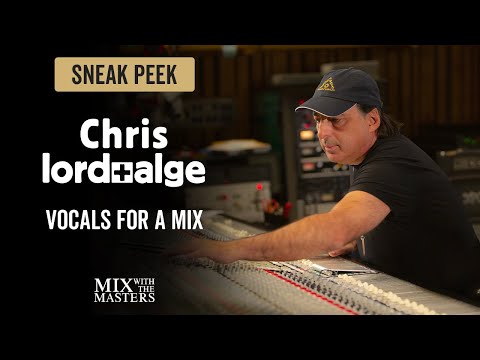
Mixwiththemasters.com lets you learn music production from the world’s top music mixers and producers through seminars and online videos. You can register for a free account and upgrade as you grow your knowledge.
Members get unlimited access to all the videos, plus benefits from online services such as Mix and Production Consulting, and Webinars. Definitely something worth trying out.
Treat this profession seriously, not just by reading a few books and buying some gear to say you are an audio engineer. You will be disappointed fast. Not to mention the damaged reputation it can cause you in the long run if you have unsatisfied clients. Become good at what you do. Find your niche!
Do I need an Associate’s, Bachelor’s, or Master’s degree?
 To make a good living as an audio engineer, you don’t necessarily need a full degree. However, you do need vast knowledge through education. This is from experience and how the industry hires.
You can consider a postsecondary education, such as a certificate program or an associate’s degree, to get you started. This will help you get the basic knowledge, internship experience, as well as build professional relationships with professors and companies partnered with the university.
Once you gauge the progress you’ve made in job placements and freelance work, you have the option to use the credits you’ve earned towards a larger degree down the road. This also gives you the option to pay off your tuition and loans for some time before committing to pursuing a bachelor’s.
CERTIFICATE
A certificate in audio production is often the first choice for those looking to start their careers. This option does allow individuals to gain experience with software programs that are in high demand.
ASSOCIATE’S
An associate’s degree is another step toward acquiring a higher level of education. It is a post-secondary study. This path usually lasts 2 to 3 years and can open more opportunities.
Credits earned on associate’s degree courses can be counted toward a bachelor’s degree when the student continues their education.
BACHELOR’S
The completion of a bachelor’s degree is a prerequisite for further courses, such as a master’s.
Once a student completes their education, they can utilize what they’ve gained to work in all aspects of audio production.
MASTER’S
A master’s degree is an intermediary between undergraduate studies and doctoral or professional career goals.
The degree takes two to three years to complete after obtaining a bachelor’s degree.
Getting Your Foot in the Door
The goal is to get your foot in the door at a studio as an intern or apprentice. This is where you will learn the most, network, and get real-world experience to advance your path. Schools are just the starting point for knowledge. The real hard work comes after!
If you want to advance your career later or start your own business, you can think about getting a bachelor’s degree. Some larger companies and studios do require at least a bachelor’s degree. So, it is something to think about if you want to get a job at a large company.
For me, experience and being good at what I do, along with networking, were more progressive than a full degree, as clients expect a level of production rather than thinking of your education level.
Once you get some big-name credits on albums or films, you are on your way to getting hired consistently. Let me tell you this will take some time to accomplish, so keep at it.
Experience is Key
The next step is to find work experience in your chosen field. You may want to volunteer at local music venues or record live performances at concerts on weekends while you are still in school. You want to gain some valuable experience before entering the workforce after graduation.
I want to be blunt about paying for an expensive degree without a plan. I know many students who have graduated from a university with a Bachelor’s or Master’s and still haven’t landed a career job at a studio even years later.
This is not to say there are no good programs or degrees out there. This industry is highly competitive, with a large number of graduates and audio engineers. Expect to work hard to try and stand out from the crowd to solidify your career. It also depends on the individual if you put yourself out there and network.
Find a Mentor! Learn from the best.
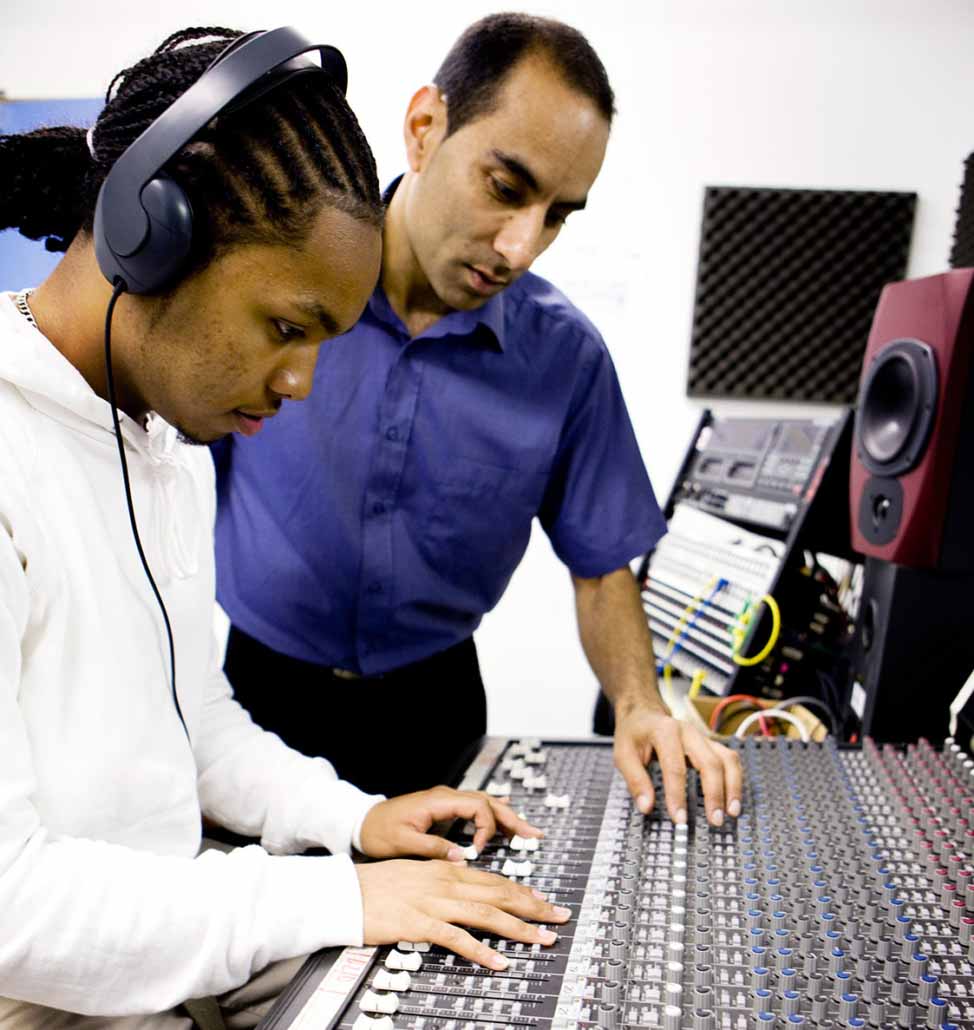 For every successful person, there was a mentor or person they looked up to. A mentor is someone who is an expert in their field and provides guidance, motivation, emotional support, and role modeling for the career path. This could be a teacher from your education, an audio engineer from your internship, or a person you have made a relationship with in the field.
A mentor can share his or her experience in their career path and help you navigate yours to be more successful faster. When I was starting in the audio industry wish I had professionals guide me on better paths.
Purchase Audio Gear While in School & Learning
One of the best decisions I made while I was in college learning audio production was having a part-time job and purchasing audio gear that I was using in class. This also allowed me to experiment with the gear during my off-time and also accumulate equipment to later start my studio.
You want to save as much time building your career, so if you can knock out 2 items at once, it’s just a plus. This also allows you to build your credit score by having more purchasing options when you graduate.
Find Audio Gigs, Don’t Be Afraid to Work for Free Starting Out
While in college and accumulating my gear, I would go to live shows where bands were playing. I would introduce myself and offer my services for free, explaining I was a student.
It is a win for both parties as you gain experience and the artist or band gets a free recording they can use for a demo. This is also a way to build your portfolio, which is needed if you plan to find paying gigs and opportunities.
What sound equipment do you need?
Sound equipment is essential to any recording studio or any room that is used for audio production. It can include microphones, speakers, amplifiers, mixers, and more.
Laptop computer: A laptop might be your most important investment besides education. It will be your main tool to do your audio production work at the studio or remotely. Invest in a powerful updated computer with a lot of RAM, as software and audio plugins take up a lot of CPU power.
You will be able to do production, edit, mix, and prepare your work for the studio. This will save you a lot of expensive studio rentals. Use the studios to record and access equipment that you can not afford currently.
Microphones: Microphones are one of the most important parts of a recording studio. They are necessary for capturing sound waves and converting them into an electric signal. There are many different types of microphones available on the market today.
Condenser microphones are often used in professional studios because they have a more natural sound quality, which is best suited for vocals and acoustic instruments. Dynamic microphones produce a louder sound with less background noise, but they also have a harsher sound quality, which is better suited for electric guitars or drums.
Speakers: Studio speakers are necessary to playback recorded audio that has been captured by the microphone. Purchase true “studio speaker monitors” and not consumer household speakers, as they are not produced to give you a truly flat frequency response for mixing.
How Much Does it Cost to Start a Career as an Audio Engineer?
If you are wondering how much it costs to start a career as an audio engineer, the answer is not straightforward. Many factors can influence the cost of starting a career in this field.
The first thing to consider is the type of degree you are looking for. For example, if you want to pursue a Bachelor’s degree in audio engineering, then your total cost will be around $60,000-$100,000 for all four years, excluding the cost of living.
However, if you want to pursue an Associate’s degree in audio engineering, then your total cost will be around $30,000-$40,000.
There are also undergraduate and certificate programs that range from $5,000 to $10,00,0, depending on the institution. These are 2-year part-time programs that can get your education started.
The next factor that can affect your cost is whether or not you plan on attending college full-time or part-time, and what type of school it is (public or private).
What is the average salary for an audio engineer?
Audio engineer salaries can start as low as $20,000 annually for entry-level audio positions and some freelancing. For established audio engineers, it starts at $50,000 and can go well over $100,000 per year for chief engineers.
The median salary of an audio engineer is $40,000, but it can vary by region and country.
What venues and jobs can audio engineers get hired?
- Theaters
- Movie sets
- Sporting venues
- Recording studios
- Music video shoots
- Radio broadcasting
- Television broadcasting
- Live music venues
- Podcast studios
- Post-production studios
- Voice-over studios
- Video game audio
- Church venues